
Having had time to reflect on the late November Budget, we have summarised below some simple tax planning/mitigation actions that can be undertaken.
If you have somehow managed to avoid what was announced in the Budget, our summary to the Budget, but top line, The Chancellor announced £26bn of tax rises, impacting workers, savers and investors.
Although there was a very recent U-turn in respect of agriculture and business property relief, with the inheritance tax free band for qualifying businesses increasing from £1m to £2.5m, it is highly unlikely that any announcements made in the recent Budget will change. Therefore, where possible, making smart moves before some of the changes come into effect, while also getting the most out of the tax breaks that remain, will put you on a good financial footing.
PENSION SALARY SACRIFICE
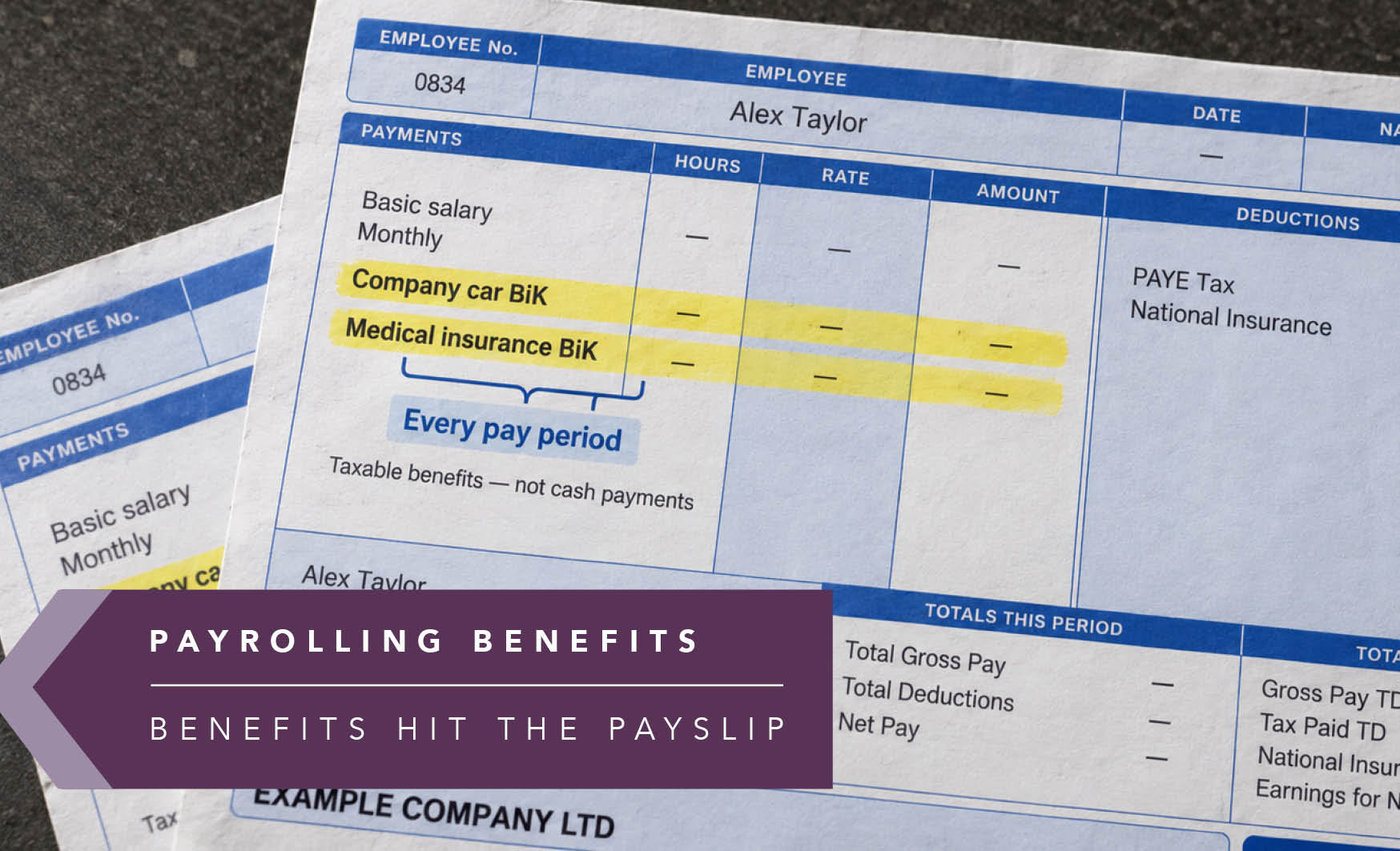
The Chancellor had announced in the summer that pension salary sacrifice was going to come under fire, and there has been a lot of noise about the change since the Budget. The National Insurance Contributions (“NIC”) perks of using salary sacrifice for pension contributions will be capped at £2,000 per year from April 2029, but don’t stop your sacrifice arrangement now as there are three years until they are capped. Also don’t stop making pension contributions in any event, despite the NIC savings being limited, as what you pay in will still be exempt from income tax and workers can still enjoy pension tax relief up to their marginal rate of income tax.
In addition, making pension contributions, will still reduce your ‘adjusted net income’, which can pull you out of higher rate taxes or one of the many punishing tax traps, for example the loss of your personal allowance, while also boosting your retirement savings.
BEAT THE FROZEN ALLOWANCES
With frozen income tax bands for another three years (tax bands will remain where they are until 2031), more people will be pushed into the next tax bracket. This measure results in individuals who get a pay rise seeing more of their income hit by tax than they would have been previously.
The Centre for Policy Studies think-tank research on the freezing of income tax thresholds until 2031 has forecast this will push 780,000 more people into basic-rate tax, 920,000 into higher-rate, and 4,000 into additional-rate tax.
In addition, there are lots of tax traps that may catch you out if you move into a new tax bracket or exceed certain earnings levels. For example, someone with an adjusted net income of £60,000 or more will start to see child benefit clawed back, and someone breaching the £100,000 limit starts to lose their tax-free personal allowance for the year (£1 for every £2).
In both cases, their extra earnings face punitive effective tax rates (60% for the loss of personal allowance and up to 71.48% for the high income child benefit charge). Equally if you move into the next tax band you could face higher tax rates on dividends, capital gains or your savings income.
You can avoid these tax traps by making pension contributions, bringing your taxable income below the levels. You need to work out what extra contributions you need to make to reduce your adjusted net income staying with annual pension contribution allowance, and other restrictions.
PROTECT YOUR CASH SAVINGS FROM TAX
Higher interest rates and frozen tax bands mean more savers will face tax bills on their cash savings. In the recent Budget the rate of tax due on savings from next April will increase by 2%. It takes the tax rates for cash savings to 22% for basic rate taxpayers, 42% for higher rate payers and 47% for additional rate taxpayers.
The personal savings allowances remain, with a basic rate taxpayer can earn up to £1,000 in interest before paying tax, while higher rate taxpayers have a £500 allowance. Additional rate taxpayers receive no exemption.
For those nearing or exceeding their allowance, using a Cash ISA can be a simple way to protect interest from tax. The limits on Cash ISAs are changing from April 2027 for those under the age of 65, but for now you can still put in up to £20,000 in cash or investments. You should look to maximise your ISA and tax-free allowances between couples, potentially moving cash savings to the person who has unused personal savings allowance, unused ISA allowance or is the lower taxpayer.
LIFETIME ISA
Apart from a cash ISA, one of the best for some people is the Lifetime ISA. In the 2023/24 tax year, around 960,000 people subscribed to a Lifetime ISA according to the latest HMRC stats. For those eligible for a Lifetime ISA you can still open the account, pay in up to £4,000 each tax year and receive a 25% government bonus, adding up to £1,000 in free money per year.
For those who are self-employed and do not have a workplace pension, a Lifetime ISA is a great way to save for retirement. While employed people would be better off maximising any employer contribution matching on offer for their pension, self-employed people don’t have this option.
PREPARE FOR THE DIVIDEND TAX SQUEEZE
The dividend tax rates will rise again next April to 10.75% at the basic rate and 35.75% at the higher rate, with no change to the additional rate which will remain at 39.35%. Following previous announcements with the tax-free dividend allowance having dropped from £2,000 to £500.
Dividend tax is only applied to income-generating investments that are not in an ISA or pension. If you are in this situation and have some of ISA allowance remaining this tax year, you could use a Bed and ISA to move the dividend-paying investments into your ISA and protect them from future tax charges.
Because the annual ISA allowance is currently £20,000, you can potentially move £40,000 into your ISA before the latest tax hike starts to really bite by using this year’s allowance now and next year’s as soon as the new tax year starts in April.
If your non-ISA investment pot is larger than your ISA allowances, the smartest move is to prioritise shifting your biggest dividend-paying investments into your ISA first. This means that you can shelter more of your dividend income from tax and therefore cut your tax bill.
USE GIFTING ALLOWANCES TO REDUCE INHERITANCE TAX
There was no U-turn in the Budget on pensions and inheritance tax (IHT), meaning many estates will face higher IHT soon.
On top of that, the government froze IHT bands for another three years, until 2030-31, meaning more estates will be dragged into the tax.
But there are simple ways to cut how much your estate will pay. Every individual can gift up to £3,000 per year free of IHT, and this allowance can be carried forward if it wasn’t used in the previous year.
You can use this either on one person or split between several others. Couples can combine their allowances to give away up to £6,000 tax-free annually (or £12,000 if they didn’t use the allowance last year).
On top of that, extra allowances apply for wedding gifts, with parents able to gift £5,000 to a child, grandparents able to give £2,500 to a grandchild, and anyone else allowed to give £1,000 tax free. Small gifts of up to £250 per person each year are also exempt.
Other gifts outside of these allowances are called potentially exempt transfers (PETs), meaning they only escape IHT if you survive for seven years after making them. If you die within seven years then the value of the gift is added back into your estate, but taper relief might reduce the rate of IHT on it if at least three whole years have passed.
The most generous exemption is for gifts made from excess income, which can be unlimited if they don’t reduce the donor’s standard of living. Evidence should be maintained to show that the gift is made out of excess income, in case of HMRC enquiry in the future.
CONSIDER CASH ALTERNATIVES
The Cash ISA allowance will be cut from £20,000 to £12,000 from 6 April 2027 for those under the age of 65. It means those who are currently putting more than £12,000 into their Cash ISA could face higher tax bills if they leave the money in non-ISA cash accounts and breach their personal savings allowance. Cash savers should also assess their cash levels and see whether they are unnecessarily hoarding too much cash.
There are also lots of lower risk, cash alternatives that you can invest in via your Stocks and Shares ISA. These include money market funds, which invest in very short-term loans that aim to give a cash-like return.
Another option is bond funds, which invest in loans to governments and companies in return for regular interest payments and their original investment back at a set date in the future.
Equally investors can invest in bonds themselves, such as short-dated bonds that mature in usually under two to three years. Gilts are examples of these that are loans to the UK government, and so it’s pretty certain you will get your loan repaid, along with the interest promised.
Alternatively, investors looking for a one-stop-shop for their portfolio could use multi-asset funds, which spread money between different asset classes to give a diversified portfolio. You can opt for different risk levels of these funds to suit your needs.
USE ALL THE TAX BREAKS YOU CAN
While the government is raising £26bn from individuals, there are still lots of tax breaks available that people may not be using. Check whether you’re entitled to things like marriage allowance, child benefit, free childcare hours, tax-free childcare or other benefits, as it could lead to significant savings.
In addition, as summarised in this article, make sure you’re using any allowances you can, such as ISA and pension allowances. Pensions offer one of the biggest opportunities, with basic rate taxpayers receiving 20% tax relief, while higher and additional rate taxpayers can reclaim an extra 20% or 25% respectively through self-assessment. This means that for a higher rate taxpayer, every £1 in their pension only costs 60p.
USE VCTS BEFORE THE TAX RELIEF GETS CHOPPED
Venture capital trusts (VCTs) will get less attractive from next April, as the chancellor revealed plans to cut the tax relief on offer.
Investors who buy VCTs on the primary market can currently claim a 30% tax rebate on investments of up to £200,000 in each tax year. So potentially an investor could reduce their annual income tax bill by up to £60,000. However, this tax relief is being cut to 20% from April.
These investments aren’t for everyone as high risk, they are most often used by experienced, adventurous investors, especially those with large tax bills who have perhaps used up their pension and ISA allowances. But anyone planning to invest in VCTs could consider doing so before April, to lock in the higher tax relief before the rules change at that tax break gets cut.
The above provides some simple tax planning measures that can be considered to improve your tax position, without significant effort. The impact of taxation is only one element in establishing your financial position, you should also be considering such issues as your savings, investment performance and succession planning. The above is not an exhaustive list of ideas and is intended for general information purposes only and shall not be deemed to be or constitute advice. Always take professional advice when deciding your tax planning or investment strategy, including financial advice from an FCA registered advisor.